Borough Clearance Rules: Hazardous Waste Disposal in Fulham
If you are clearing a flat, office, or storage unit in Fulham, hazardous waste can turn a simple job into something messy very quickly. Paint tins, bleach, old batteries, aerosols, fluorescent tubes, solvents, and even certain cleaning products all need a more careful approach than general rubbish. That is where Borough Clearance Rules: Hazardous Waste Disposal in Fulham matters: not just for staying on the right side of local expectations, but for keeping people safe, avoiding fly-tipping mistakes, and getting the clearance done properly the first time.
This guide breaks down what counts as hazardous waste, how borough-level clearance rules usually work in practice, what to do before you move anything, and how to choose a sensible disposal method. If you are also planning a wider move or property clearance, services such as man and van support, home moves, or furniture pick-up can sit neatly alongside the waste removal side, which is often the bit people underestimate. Truth be told, it is rarely just "take it all away" and done.
One quick reality check: borough rules, waste carrier duties, and the handling of hazardous materials can change depending on the item, the source, and the service provider involved. So this article sticks to plain-English best practice rather than pretending every case is identical. That is usually where people go wrong anyway.
In our experience, the safest clearouts are the boring ones: labelled, sorted, documented, and handled by people who know what they are looking at.
- Clear what counts as hazardous waste in a Fulham clearance
- Understand how disposal and collection should be approached
- Learn the practical steps before booking a clearance
- See the common mistakes that cause delays or extra costs
- Use a checklist to stay organised and safe
Table of Contents
- Why Borough Clearance Rules: Hazardous Waste Disposal in Fulham Matters
- How Borough Clearance Rules: Hazardous Waste Disposal in Fulham Works
- Key Benefits and Practical Advantages
- Who This Is For and When It Makes Sense
- Step-by-Step Guidance
- Expert Tips for Better Results
- Common Mistakes to Avoid
- Tools, Resources and Recommendations
- Law, Compliance, Standards, or Best Practice
- Options, Methods, or Comparison Table
- Case Study or Real-World Example
- Practical Checklist
- Conclusion
- Frequently Asked Questions
Why Borough Clearance Rules: Hazardous Waste Disposal in Fulham Matters
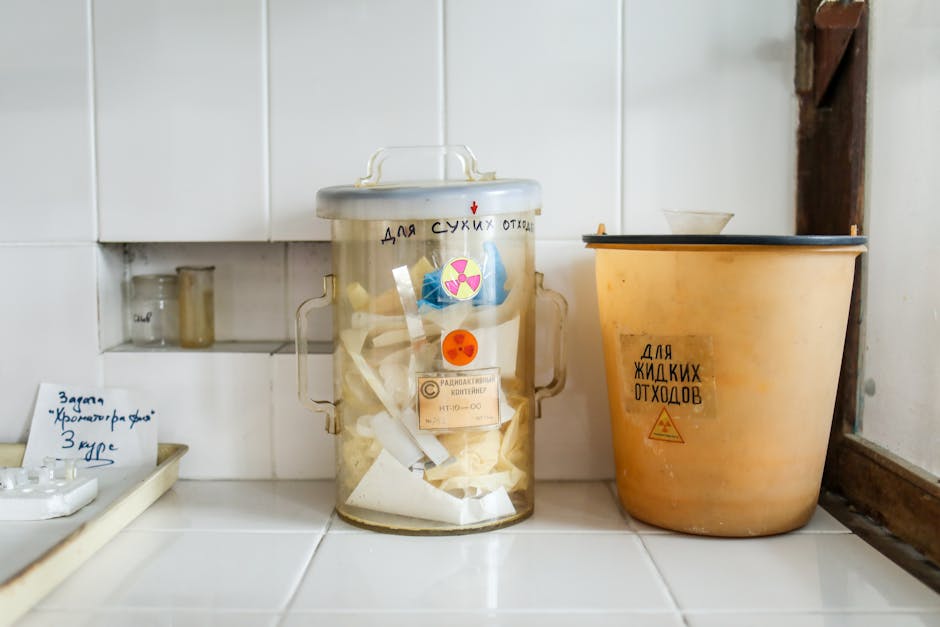
Hazardous waste is different because it can harm health, property, or the environment if it is handled badly. That sounds obvious, but in real life a lot of people still mix it in with normal rubbish because it is easier. A half-full tin of solvent, an old pesticide bottle from a shed, or a cracked battery pack in a box of odds and ends can all create a problem once the clearance starts moving.
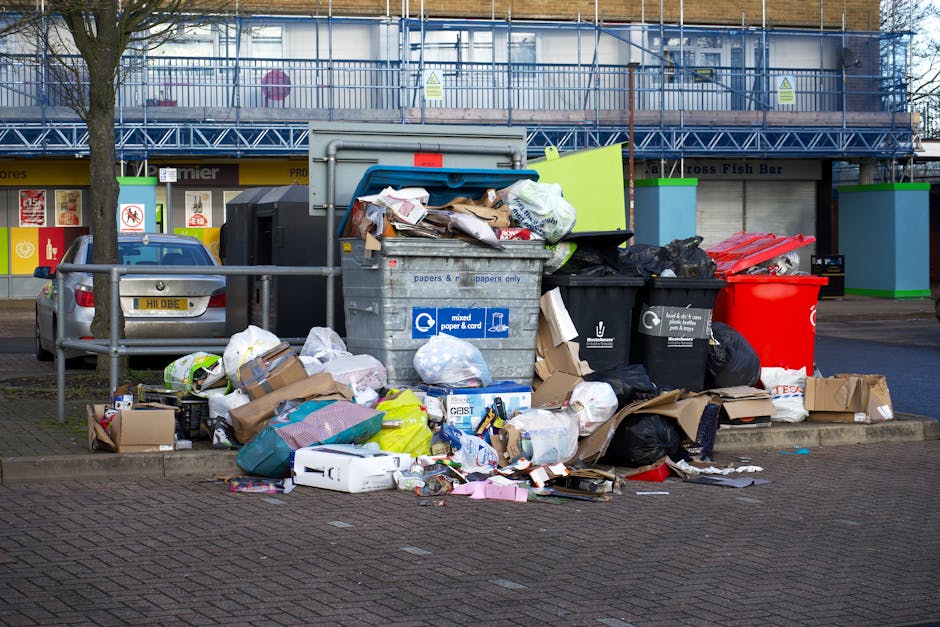
In Fulham, as in other parts of London, clearance work usually needs to respect the borough's expectations around waste separation, safe transport, and lawful disposal. You do not need to become a waste specialist overnight, but you do need to know what cannot just be thrown into a mixed load. That includes fire risks, chemical exposure, and the very practical issue of whether a collection service is equipped to take the item at all.
Why does this matter so much? Because one misplaced item can slow down the entire clearance. A wardrobe move can turn into a hazardous waste situation. A routine office tidy-up can reveal toner, batteries, cleaning chemicals, or broken IT equipment that needs separate handling. It is a bit like discovering a loose screw in a cupboard door and realising the whole thing now needs attention. Small issue, bigger consequence.
There is also the neighbour factor. In densely packed streets, shared entrances, basement steps, and parking constraints, any spill, smell, or unsafe stacking becomes everyone's problem very quickly. If you have ever stood on a Fulham road at 8:30 in the morning trying to keep a corridor clear while boxes and bins are being moved, you will know the margin for error is not huge.
Key point: hazardous waste disposal is not only about legality. It is about protecting people, avoiding contamination, and making the clearance efficient enough that the rest of your move can proceed without drama.
How Borough Clearance Rules: Hazardous Waste Disposal in Fulham Works
The process is usually simpler than people fear, but it does need structure. First, hazardous items need to be identified. Then they should be separated from general waste and recyclable materials. After that, they are assessed for the right disposal route: collection, specialist handling, or a designated drop-off method where appropriate. The exact route depends on the item and its condition.
For example, sealed household chemicals might be handled differently from loose industrial materials. A few empty paint cans are not the same as a container with liquid residue. Likewise, old electronics may contain batteries or components that cannot be treated as ordinary clutter. This is why a quick sort before the clearance can save time and reduce the chance of refusal on the day.
Most reputable clearance teams will ask what is involved before arriving. That is not bureaucracy for its own sake. It helps them bring the right equipment, plan safe loading, and decide whether the load needs a specialist route. If you are booking wider relocation support, a service like house removalists can be useful for the non-hazardous side of the move, while hazardous items are separated and handled under a different process.
In practice, you are looking at three main stages:
- Identify: spot what could be hazardous before the team arrives.
- Separate: keep those items away from furniture, clothing, and household rubbish.
- Arrange the right route: use the proper collection or disposal method for the item type.
Some people expect a clear-out to be one big pile and one van. Usually it is not. A better mental model is "sorted streams": ordinary items, reusable items, and hazardous items. Once you see it that way, the whole job becomes far less stressful.
Key Benefits and Practical Advantages
Following borough clearance rules and handling hazardous waste properly has some very real benefits, and not just the obvious safety ones.
1. Less chance of refusal or delays
If hazardous items are mixed into a general clearance, the crew may have to pause, remove them, and re-plan the load. That can cost time and money. A sorted, honest description of what is there helps everything move faster. And yes, being honest about the awkward box in the cupboard usually pays off.
2. Better safety for everyone involved
Spills, sharp containers, leaking solvents, and damaged batteries can cause burns, fumes, or fire risk. Careful disposal reduces that risk for residents, neighbours, and the clearance team.
3. Cleaner handover of the property
If you are vacating a flat, office, or commercial unit, leaving hazardous waste behind can create friction with landlords, managing agents, or incoming occupiers. A clean handover is simply easier.
4. Lower chance of accidental contamination
One broken container can ruin an otherwise straightforward load. Separating hazardous materials protects furniture, textiles, and other salvageable items.
5. More confidence during stressful moves
Moves are already noisy, tiring, and full of small decisions. Removing uncertainty from the hazardous waste side is one less thing nagging at you in the background.
For larger or mixed clearances, a vehicle-based service such as removal truck hire can be a practical fit for the normal load, especially when the hazardous component has been isolated in advance. If the job involves business premises, commercial moves and office relocation services can also help keep the rest of the project moving while waste is handled properly.
Who This Is For and When It Makes Sense
This topic matters to more people than you might think. Hazardous waste disposal is not only for factories or big commercial sites. In Fulham, it often shows up in ordinary places with ordinary mess, which is exactly why it gets overlooked.
- Homeowners and tenants clearing garages, basements, kitchens, or sheds
- Landlords and letting agents preparing a property for re-letting
- Offices removing outdated equipment, chemicals, and supplies
- Shops and small businesses disposing of stock, packaging, or maintenance products
- Families handling bereavement clearances, where items are mixed and time pressure is high
- People moving home who discover old paint, batteries, or cleaning products during the packing stage
It also makes sense whenever you are unsure what an item contains. If the label is missing, the container is damaged, or the contents have separated, do not guess. That one uncertain item is the one worth pausing over.
A practical example: if you are emptying a storage cupboard and find a box with old aerosol sprays, a half-used tub of adhesive, and a few batteries, it is better to stop and sort those three things properly than to bury them under a pile of cardboard and hope for the best. Hope is not a disposal plan. Handy in life sometimes, not great with chemicals.
Step-by-Step Guidance
If you want to approach hazardous waste disposal in a calm, sensible way, use this sequence. It keeps the work manageable and reduces the risk of surprises on collection day.
Step 1: Walk the property slowly
Do not rush the first sweep. Check cupboards, loft spaces, utility rooms, under sinks, sheds, desks, and storage boxes. Hazardous items often hide where no one has looked properly in years.
Step 2: Separate anything that could be risky
Put chemicals, batteries, aerosols, fluorescent lighting, solvents, oils, and similar items to one side. Keep them upright and away from heat or direct sunlight where possible. Never mix unknown liquids together.
Step 3: Read labels, but do not rely on them entirely
Labels help, but they are not always complete or readable. If a container is damaged or the contents are unclear, treat it cautiously. Smell alone is not a reliable guide either. Some things are unpleasant and harmless; others are dangerous and faintly ordinary-looking. Annoying, really.
Step 4: Count and photograph key items
A quick inventory can help when you speak to a clearance provider. Note the number of containers, the approximate size, and whether any are leaking or broken. A photo for your own records can be useful too.
Step 5: Ask how the provider handles hazardous waste
Before booking, ask whether they can take the items, whether there is a separate handling process, and what preparation they need from you. Clear answers are a good sign.
Step 6: Keep hazardous items accessible but isolated
On the day, make it easy for the team to reach the items without mixing them into the rest of the load. That saves time and reduces handling risk.
Step 7: Keep a simple record of what was removed
You do not need a spreadsheet unless you want one. A basic note of what left the property can still be useful, especially for landlords, businesses, or multi-step move-outs.
If the clearance is part of a larger move, services like packing and unpacking services can reduce the chance of hazardous items being buried in ordinary boxes. Packing carefully sounds dull. It is dull. But dull is good when you are handling this sort of thing.
Expert Tips for Better Results
Small habits make a big difference. Here are the practical details people often miss.
- Keep chemicals in original containers when possible. It is easier to identify contents and reduce confusion.
- Do not overfill bags or boxes. Heavy, unstable containers are awkward to move and more likely to split.
- Separate batteries from metal waste. This reduces the chance of short-circuiting or heat build-up.
- Protect sharp or fragile containers. A cracked bottle in a cardboard box is not a clever shortcut.
- Plan for weather. Rain, cold, and damp stairs can make a clearance more slippery than expected, especially on typical London streets where space is tight.
- Be specific when booking. "A few cleaning products" and "six containers plus two damaged batteries" are not the same thing.
One small but valuable tip: if you are clearing both hazardous and non-hazardous items, ask for the dangerous items to be staged first or last, depending on what is safest for the property layout. In a narrow Fulham hallway, the order of operations really matters. A little planning saves a lot of shuffling.
And if you are moving a business or office, keep sensitive items, waste, and furniture on separate tracks. It helps the day feel less chaotic, and to be fair, office relocations are chaotic enough already without a mystery box of old toner cartridges appearing mid-move.
Common Mistakes to Avoid
Most problems come from trying to treat hazardous waste like ordinary clutter. That is the underlying issue almost every time.
Mixing everything together
This is the big one. When hazardous waste is buried in general rubbish, it becomes harder to assess, harder to move, and more expensive to handle.
Leaving items unlabelled
An unlabeled bottle, jar, or tin creates hesitation. If nobody can tell what it is, nobody wants to be the person who shakes it, opens it, or tips it into the wrong pile.
Assuming all clearance services take everything
They do not. A provider may handle furniture and general waste, but not certain chemicals or specialist items. Always ask. It saves everyone an awkward conversation later.
Transporting hazardous items without preparation
A leaky container in the boot of a car is a bad idea. So is placing reactive items next to heat sources or loose metal debris. If you would not want it rolling around next to your shopping, it probably needs more care than that.
Forgetting about hidden waste
People often remember the obvious stuff and miss the tucked-away items: old batteries in drawers, forgotten tins in sheds, or leftover cleaning products in utility cupboards. The hidden waste is often the problem.
Not planning for the rest of the clearance
When the hazardous side is ignored until the end, the whole job slows down. A better approach is to sort early, then move the rest once the risky items are accounted for.
Tools, Resources and Recommendations
You do not need an elaborate kit to handle this well. A few simple tools and habits are usually enough.
- Thick gloves for handling dusty or sharp containers
- Strong boxes or tubs to isolate small items
- Permanent marker for labelling unknown but separated items
- Basic torch for checking sheds, under-sink spaces, and loft corners
- Bin bags for non-hazardous waste only, not for liquids or loose chemicals
- Notebook or phone notes for an item list
If your clearance includes bulky household items as well, a mixed approach can help: use local moving support for furniture and boxes, then keep the waste route separate. A service like man with van can be useful for lighter non-hazardous loads, while larger furniture removals may suit moving truck support. That way the hazardous items do not get tangled up with everything else.
Practical recommendation: aim to sort the property before the main clearance day. Even 20 minutes of pre-sorting can make the rest of the process noticeably smoother.
Law, Compliance, Standards, or Best Practice
Hazardous waste is a regulated area in the UK, so caution matters. You do not need to memorise every rule to make good decisions, but you do need to understand the general expectations: waste should be handled safely, transferred responsibly, and taken by people who are allowed to deal with it.
As a rule of thumb, never assume a random clearance or transport arrangement is enough just because the item is small. Batteries, solvents, chemicals, paint, gas canisters, and similar materials can still fall into a more controlled category. Businesses in particular should be careful about duty of care, record keeping, and how waste leaves the site. A good provider should be able to explain their process clearly and calmly, without making it sound like rocket science.
Best practice usually includes:
- Identifying waste before collection
- Keeping hazardous and non-hazardous materials separate
- Using suitable containers and safe handling methods
- Ensuring transport is arranged appropriately
- Keeping a basic record of what has been removed
If you are unsure whether an item is hazardous, treat that uncertainty seriously. That is not being overcautious; it is being sensible. The borough rule side of this topic is really about reducing risk and keeping disposal traceable, not about making life awkward for the sake of it.
Options, Methods, or Comparison Table
Different situations call for different disposal methods. The right choice depends on volume, risk, access, and whether the waste is household or commercial.
| Method | Best for | Advantages | Watch-outs |
|---|---|---|---|
| Sorted clearance with a specialist provider | Mixed loads with some hazardous items | Efficient, practical, less handling stress | Needs accurate item disclosure |
| Separate hazardous waste handling | Chemicals, batteries, aerosols, fragile or leaking items | Safer and more controlled | May require extra planning |
| General removal with careful pre-sorting | Homes or offices with light risk items | Simple and cost-aware | Only works if risky items are clearly isolated |
| Full property clearance | End-of-tenancy, bereavement, or major declutter | Comprehensive, time-saving | Needs a clear inventory and sometimes staged removal |
The comparison is not about picking the cheapest line item. It is about matching the method to the actual mess in front of you. A small flat with a few old batteries is not the same job as a long-neglected commercial store room. Same neighbourhood, different reality.
Case Study or Real-World Example
A typical Fulham scenario goes like this. A tenant is moving out of a two-bedroom flat and discovers a box under the sink with old cleaning sprays, a tin of leftover paint, two loose batteries, and a half-used adhesive tube. The furniture removal is straightforward enough, but the miscellaneous cupboard finds are not.
Instead of packing those items into random bags, the tenant separates them, keeps them upright, and notes what each item is. On the clearance day, the provider is told exactly what is there. The non-hazardous furniture and boxes are moved as part of the main job, while the risky items are flagged for proper handling. The whole process is less dramatic, less messy, and less likely to stall when the van is already at the door.
What changed the outcome? Not magic. Just early sorting, simple communication, and not trying to be clever with unknown materials. The room still smelled faintly of dust and detergent by the end, which is about as glamorous as clearance work ever gets, but everything left in a far better state than it began.
Practical Checklist
Use this before any hazardous waste disposal or borough clearance in Fulham.
- Walk every room, cupboard, shed, and storage space
- Separate chemicals, aerosols, batteries, oils, and damaged containers
- Keep items in original packaging where possible
- Do not mix unknown liquids or powders
- Label anything you are unsure about
- Photograph awkward or damaged items
- Tell the clearance provider exactly what is involved
- Keep hazardous items isolated from furniture and general waste
- Plan access for stairs, lifts, and tight hallways
- Record what has been removed for your own files
If you are handling a larger move alongside the clearance, it may help to review support options such as home moves or furniture pick-up so the non-hazardous side stays organised. That little bit of structure can save a surprising amount of energy.
Quick summary: sort first, label clearly, ask questions early, and never force hazardous waste into a general rubbish routine.
Get a free quote today and see how much you can save.
Conclusion
Borough Clearance Rules: Hazardous Waste Disposal in Fulham is really about doing a difficult thing in a clean, sensible way. Once you separate the hazardous items, understand the handling expectations, and plan the clearance around them, the whole process becomes far easier to manage. You do not need to overthink every container, but you do need to respect the risks and keep the chain of handling clear.
That is the difference between a rushed clear-out and a proper one. One leaves you worrying about what got missed. The other lets you breathe, lock the door, and move on with the next part of the day.
If you are standing in the middle of a half-packed room in Fulham wondering where to start, start small. One shelf. One cupboard. One box. That is usually enough to get the momentum going.
Frequently Asked Questions
What counts as hazardous waste in a home clearance?
Common examples include batteries, aerosols, paint, solvents, cleaning chemicals, oils, fluorescent tubes, and damaged electronic items. If the container leaks, smells strong, or you are unsure what is inside, treat it cautiously.
Can I put hazardous waste in a general rubbish bin?
No, not if it is classed as hazardous or potentially harmful. Mixing it with general waste can create safety risks and may lead to disposal problems later.
Do all clearance services handle hazardous waste?
No. Some can remove ordinary furniture and household waste but not specialist hazardous items. Always ask before booking, and describe the items clearly rather than vaguely.
How should I store hazardous items before collection?
Keep them separate, upright, and away from heat or direct sunlight where possible. Do not mix liquids together, and keep damaged containers isolated.
What if I do not know what is in an old container?
Do not open it, tip it out, or combine it with anything else. Keep it separate and tell the clearance provider what you found so they can decide the safest route.
Is hazardous waste disposal more expensive than normal clearance?
It can be, because it often needs extra handling, sorting, or specialist transport. The exact cost depends on the items involved and the volume, so a clear description usually helps.
Can office clearances include hazardous materials?
Yes, but they should be identified early. Offices often have batteries, toner, cleaning products, or maintenance materials that need separate handling from desks and chairs.
What should landlords check after a tenant leaves?
Look in cupboards, under sinks, lofts, sheds, and storage areas for leftover chemicals, batteries, or old paint. These are easy to miss during a rushed checkout.
How do I avoid delays on clearance day?
Separate hazardous items beforehand, provide a clear inventory, and make sure access is easy. The less guessing the crew has to do, the smoother the day tends to go.
Are batteries really a problem in clearances?
Yes, especially if they are damaged, mixed with metal items, or stored in large quantities. Batteries can pose fire or leakage risks, so they should not be left loose in mixed rubbish.
What is the best first step if I have several risky items?
Do a careful sort and make a simple list of what you found. That one small action makes it much easier to plan the rest of the removal and speak clearly with a provider.
Can I combine hazardous waste removal with moving furniture?
Yes, as long as the hazardous items are kept separate and handled appropriately. In many cases, it makes sense to arrange the furniture side through a move or pickup service and treat the waste separately.
When in doubt, slow down a little. The right sort of caution here is not a burden; it is what keeps the whole move from becoming a headache later on.