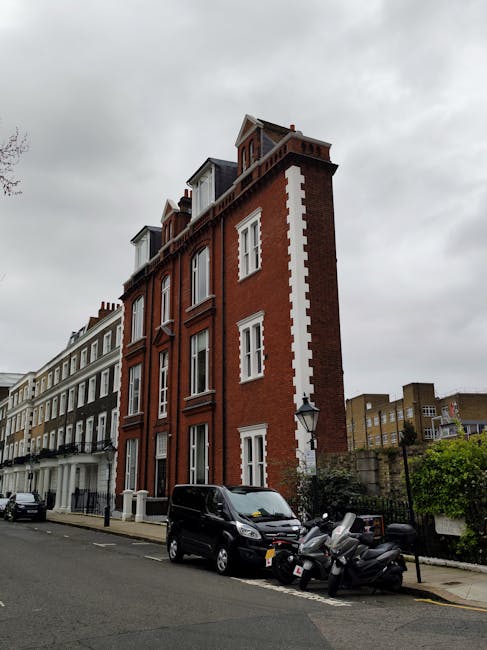
Fulham Palace Road removals guide for access and parking
If you are moving on or near Fulham Palace Road, the first challenge is rarely the sofa or the boxes. It is access. It is parking. It is working out where a van can stop without blocking a bus lane, annoying a neighbour, or turning a simple move into a long, sweaty relay from pavement to front door. This Fulham Palace Road removals guide for access and parking is designed to help you plan that part properly, so moving day feels calmer and more efficient from the start.
In practice, the difference between a smooth move and a stressful one is often just a few well-judged decisions: where the vehicle will stand, how close it can get, whether stairs or narrow hallways need extra hands, and how much buffer time you build in. Sounds basic. Yet it is exactly where many moves unravel.
Below, you will find a practical, human guide to the street's moving realities, how to plan around them, what to check before the truck arrives, and which mistakes tend to catch people out. If you are comparing support options, it may also help to look at home move support, man and van services, or house removalists depending on the size and shape of your move.
Contents
- Why Fulham Palace Road removals guide for access and parking matters
- How the access and parking planning process works
- Key benefits and practical advantages
- Who this is for and when it makes sense
- Step-by-step guidance
- Expert tips for better results
- Common mistakes to avoid
- Tools, resources and recommendations
- Law, compliance, standards, or best practice
- Options, methods, or comparison table
- Case study or real-world example
- Practical checklist
- Conclusion
- Frequently asked questions
Why Fulham Palace Road removals guide for access and parking Matters
Fulham Palace Road is a busy London route, and that alone changes how removals need to be handled. On streets like this, the biggest moving-day problems are usually not packing problems. They are operational ones: limited stopping space, passing traffic, shared access, pedestrians, neighbours coming and going, and the simple fact that large vehicles take up more room than most people expect.
Why does that matter so much? Because every extra metre between the van and the front door adds time, effort, and risk. It can mean more trips, more strain, more chance of damage, and more pressure on the whole schedule. If a parking spot is misjudged, even a well-packed move can start to feel awkward very quickly. To be fair, nobody enjoys carrying a wardrobe halfway down a busy pavement while a driver waits impatiently behind them.
Access planning also matters because not every property on or around Fulham Palace Road is the same. You may be dealing with a basement flat, a top-floor maisonette, a side return, a gated entrance, or a house with a narrow front path and no private driveway. One property may allow a van to park neatly close to the door; another may need a smaller vehicle, timed loading, or a hand-carry from a safer position further away.
And then there is timing. Morning traffic, school runs, deliveries, refuse collections, and general London unpredictability all affect where a vehicle can stop and for how long. That is why local moving support is so helpful. Services such as man with van hire or moving truck options can be a better fit than a one-size-fits-all arrangement, especially when the property access is tight.
Practical takeaway: On Fulham Palace Road, the best move plans are built around access first and packing second. If the vehicle cannot stop safely and close enough, everything else becomes harder.
How Fulham Palace Road removals guide for access and parking Works
The core idea is simple: match the vehicle, crew, and timing to the actual street conditions, not the ideal version in your head. That starts with understanding the route from vehicle to property. Is the van able to pull in close enough? Is there a layby or side street nearby? Are there height, width, or turning constraints? Are there any restrictions that might affect waiting time or unloading?
In real terms, the process usually works like this. First, you assess the property and the street. Then you decide what type of vehicle is realistic. After that, you plan the arrival window, the loading order, and the walking route from vehicle to door. It is a bit unglamorous, yes, but that is exactly why it works.
If you are moving a small flat, a man and van service may be ideal because it gives you flexibility. If you are moving a full family home, a larger crew and perhaps removal truck hire may be more efficient. For business premises, a more structured approach through commercial moves or office relocation services may suit better, especially if access needs to be managed around staff, clients, or opening hours.
Access and parking planning is also about sequence. Heavy items should usually be loaded and unloaded in the right order, with the most awkward pieces planned first while everyone is still fresh. Nobody wants to discover, halfway through, that the washing machine is blocked behind six loose boxes and a dismantled bed frame. It happens more often than people admit.
Good planning gives the driver and crew a clean workflow: park safely, protect the route, move items in logical order, and avoid unnecessary re-handling. That is how you save time and reduce damage risk at the same time.
Key Benefits and Practical Advantages
There are a few very real benefits to planning access and parking properly before a Fulham Palace Road move.
- Less wasted time: a shorter carry distance usually means faster loading and unloading.
- Lower risk of damage: fewer turns, fewer awkward lifts, and less chance of bumping furniture on pavements or stairwells.
- Less physical strain: the crew can work more safely if they do not have to overcarry everything.
- Better schedule control: fewer delays if parking is planned rather than guessed.
- Less stress for neighbours and passers-by: a tidy plan feels calmer and more respectful on a busy street.
There is also a quieter benefit that people often overlook: confidence. When you know where the vehicle can stop and how the move will flow, the whole day feels more under control. You stop second-guessing things. The atmosphere changes. A move that felt like a juggling act starts to feel manageable.
For many household moves, a well-organised packing and unpacking service can also support access planning, because properly grouped boxes and labelled rooms reduce the amount of backtracking once items are being carried in. That sounds small, but on a tight street, small things matter. They really do.
Who This Is For and When It Makes Sense
This guide is useful for anyone moving to, from, or around Fulham Palace Road, but it is especially relevant if your property has limited outside space, shared access, or nearby traffic pressure. In other words, a lot of people.
You will benefit most if you are:
- moving from a flat with no dedicated parking;
- moving into a terraced house or maisonette with narrow frontage;
- relocating an office or small business where loading needs to be timed carefully;
- transporting bulky furniture, appliances, or fragile items;
- using a larger removals vehicle and need to understand whether it can be positioned safely;
- trying to avoid disruption for neighbours, tenants, or customers.
It also makes sense if you are only moving a few items and wondering whether a smaller approach is better. A single sofa, a bed, or a few office desks may not justify the same setup as a full house move. In that case, a furniture pick up option or a lighter man with van arrangement could be more practical. Not every move needs the biggest truck on the street. Let's face it, that would be a bit much for a one-bed flat and three boxes of books.
If you are still unsure, a good rule is this: if parking uncertainty could delay the day, then access planning should be treated as essential, not optional.
Step-by-Step Guidance
Here is a practical process you can follow. It is simple, but simple works.
- Walk the route outside your property. Look at the pavement width, kerb space, turning room, and where a van could reasonably stop without causing problems.
- Check property access inside and out. Note stairs, tight corners, low ceilings, door widths, and whether furniture may need partial dismantling.
- Match the vehicle to the move. A small job may suit a van, while a larger household move may need a truck or removal vehicle.
- Plan the load order. Put the biggest and heaviest items first, then group boxes by room so unloading is organised.
- Set an arrival window with buffer time. Streets like Fulham Palace Road can be unpredictable, so leave slack in the schedule.
- Protect the route. Use floor protection, furniture blankets, and clear hallways before lifting begins.
- Confirm who will manage parking on the day. One person should know where the vehicle is meant to stop and who will direct it if needed.
- Keep essentials separate. Documents, keys, chargers, medications, kettle items, and first-night basics should not get lost in the main load.
A small, real-world example: if you are moving from an upper-floor flat and the closest legal stopping point is a little further away than you hoped, you can still make the day work well. The key is to plan for it. Add an extra mover, bring sturdy trolleys where appropriate, and keep fragile items in clearly marked boxes. That is not a perfect world solution. It is a practical one.
And yes, it helps to do this before the boxes multiply in the hallway. Once the place starts to look like a cardboard maze, everyone gets a bit more tired. Happens every time.
Expert Tips for Better Results
After enough moves, you start to notice the same small patterns. The good news is that most of them are fixable.
- Use the nearest safe stopping point, not the nearest possible one. Safety matters more than shaving off a few steps.
- Measure awkward items before moving day. Large wardrobes, mattresses, sofas, and appliances often decide the access plan more than the boxes do.
- Pre-pack for the route, not just for storage. Boxes that are too heavy, too wide, or awkwardly taped create problems on narrow landings and pavements.
- Keep doorways and the front path clear. It sounds obvious, but shoes, bikes, bins, and prams have a habit of appearing right where you need space.
- Use colour labels or room labels. This speeds up unloading and reduces unnecessary back-and-forth carrying.
- Let the crew know about special access issues early. Basement stairs, shared entrances, coded doors, or lift restrictions are easier to manage when they are not a surprise.
One genuinely useful habit: take a few photos of the frontage, the hallway, and any tricky corners a day or two before the move. Not glamorous, I know. But those photos can be more useful than a long message thread when the team is trying to visualise the job.
If your move involves heavier items or you need a vehicle with more capacity, options such as moving truck support or removal truck hire can give you more control over how the day is staged. Bigger is not always better, but the right size usually is.
Common Mistakes to Avoid
The same errors come up again and again. Mostly because they seem minor right up until moving day.
- Assuming parking will sort itself out. It rarely does, especially on a busy London road.
- Choosing a vehicle that is too large for the street. Bigger vehicles can create more access problems than they solve.
- Ignoring carrying distance. A cheap-looking setup can become expensive in time and labour if the van is parked too far away.
- Underestimating stairs. One flight is one thing. Multiple narrow flights after a long carry is another.
- Not telling neighbours or building management. Sometimes a small heads-up avoids avoidable friction.
- Packing heavy boxes without checking the route. If you need to carry them far, overpacked boxes become a real problem.
There is also a subtle mistake that catches people out: not respecting the timing of the street itself. School drop-off, lunchtime deliveries, and the evening rush can all change how easy it is to stop. A route that looks fine at 10 a.m. may be awkward at 4 p.m. Strange but true.
If you are moving a business, it can be worth comparing the handling style of commercial moves with a lighter approach. Office relocations often fail not because the furniture is hard, but because access windows are too tight and everyone is trying to do too much at once.
Tools, Resources and Recommendations
You do not need a mountain of specialist kit, but a few sensible tools make a big difference on Fulham Palace Road.
- Measuring tape: for checking doorways, furniture widths, and stair turns.
- Floor protection: helps avoid scuffs, marks, and muddy footprints through the property.
- Furniture blankets and straps: useful for protecting large items in transit.
- Labels and marker pens: simple, but brilliant for unloading order.
- Hand trolley or sack truck: helpful for boxes and smaller appliances where access allows.
- Phone photos: useful for sharing access details with the removals team.
For people who want a lower-stress home move, it can also help to pair access planning with professional packing support. A service such as packing and unpacking services can reduce the amount of loose, last-minute scrambling on the day. And if you are moving from a smaller property or only need help with a few items, it may be worth looking at furniture pick up or a straightforward van-based solution.
If you want to speak to the team about a move plan, you can always use the contact page. If you want to understand more about the business first, the about us page is a sensible place to start. A little reassurance helps, especially when the street outside already feels busy.
Law, Compliance, Standards, or Best Practice
For removals on a public road, the practical rule is to behave as safely and considerately as possible. In the UK, that generally means planning around local parking restrictions, avoiding obstruction, and taking care not to block access for pedestrians, emergency services, residents, or other road users. Exact rules can vary by street and borough, so it is always wise to check the situation in advance rather than assume.
Good practice usually includes:
- parking or stopping only where it is lawful and safe;
- avoiding prolonged obstruction of the pavement or carriageway;
- being mindful of loading times and local restrictions;
- keeping the site tidy and as unobtrusive as possible;
- handling items carefully to reduce damage to property and public space.
For shared buildings, there may also be building rules about lift use, access codes, move windows, or protecting common areas. These are not usually glamorous details, but they are the sort of details that prevent awkward conversations in the lobby at 8 a.m. on a wet Tuesday.
Best practice is simple: plan early, communicate clearly, and do not leave parking or access to chance. If a move involves more complex arrangements, it may also be sensible to review the service terms before booking, including the terms and conditions and privacy policy where relevant.
Options, Methods, or Comparison Table
Different moves need different setups. The right choice depends on vehicle access, property size, item volume, and how much walking distance is involved.
| Option | Best for | Access fit | Typical advantage | Watch out for |
|---|---|---|---|---|
| Man and van | Small flats, a few items, quick local jobs | Good where parking is tight and flexibility matters | Simple, adaptable, often efficient for short carries | May need several trips for larger loads |
| Man with van | Similar to the above, especially lighter domestic moves | Strong fit for narrow streets and flexible stop points | Easy to scale up or down slightly | Capacity can be limited compared with bigger vehicles |
| Moving truck | Full house moves, larger furniture, heavier load volumes | Works best where safe stopping and turning space are available | More capacity in one run | Harder to place on very tight or busy streets |
| Removal truck hire | Moves needing more control over vehicle use and timing | Good for planned, structured moves | Better capacity planning and logistics control | Requires accurate access planning before booking |
This table is not about making one option look best. It is about matching the method to the street. That is the real decision. If you get that right, the rest tends to fall into place more neatly.
Case Study or Real-World Example
Consider a fairly typical Fulham Palace Road move: a couple leaving a third-floor flat, no lift, and a small amount of furniture, including a bed, a sofa, and several boxes of books and kitchenware. They expected the van to stop directly outside. In reality, the nearest safe stopping point was a little further along the road than they first imagined.
Instead of treating that as a problem, they adjusted the plan. The heavier items were loaded first so the crew did not waste energy later. Fragile boxes were grouped together and clearly marked. The couple had already taken apart the bed frame the night before, which saved time and a bit of hassle. Small details, but they added up.
The move still took work, of course. Moving always does. But because access and parking had been thought through early, the day stayed controlled. No one was rushing to improvise a parking solution while also carrying a mattress in drizzle. That alone made a big difference.
That is often how good removals work in practice. Not perfectly. Just properly.
Practical Checklist
Use this checklist before moving day. It is the sort of thing that saves you from a lot of unnecessary hassle.
- Confirm the moving date and arrival window.
- Walk outside the property and identify safe stopping points.
- Check whether the vehicle size matches the street access.
- Measure doorways, hallways, stairs, and any awkward turns.
- Prepare large items for removal or dismantling if needed.
- Label boxes by room and priority.
- Protect floors and walls where items will pass through.
- Tell neighbours, building management, or landlords if appropriate.
- Keep essentials and important documents separate.
- Have a contact number ready for the driver or removals team.
Quick summary: if you can answer where the vehicle stops, how far items travel, and how the load is sequenced, you are already ahead of most moving-day headaches.
Get a free quote today and see how much you can save.
Conclusion
Moving on Fulham Palace Road does not have to feel chaotic. The street may be busy, parking may be limited, and access may be a little more awkward than you would prefer. But with a clear plan, the right vehicle choice, and a sensible approach to timing and loading, the process becomes far more manageable.
The main thing is not to leave access and parking as an afterthought. On this kind of London road, they are part of the move itself. Get them right and everything else gets easier: the lift-outs, the carrying, the unloading, even the mood of the day.
And honestly, that calmer feeling matters more than people admit. A move handled well can still be tiring, but it does not need to be a battle. Take it one step at a time, keep the plan practical, and trust the prep. It pays off.
Frequently Asked Questions
Can a removals van stop directly outside my property on Fulham Palace Road?
Sometimes yes, sometimes no. It depends on the exact property, traffic conditions, road markings, and local restrictions at the time. The safest approach is to plan for the nearest lawful stopping point rather than assume the ideal spot will be free.
What is the best vehicle type for a Fulham Palace Road move?
It depends on the size of the load and the street access. Smaller moves often suit a man and van or man with van setup, while larger household moves may need a moving truck or removal truck hire. The right vehicle is the one that fits both the property and the parking reality.
Do I need to think about parking even for a small move?
Yes. Even a small move can become slow and awkward if the vehicle cannot stop safely nearby. A few extra metres of carry can make a surprising difference, especially if you have stairs or bulky items.
How far in advance should I plan access and parking?
As early as possible. Ideally, you should think about it while booking the move and again a few days before moving day. Conditions can change, and a quick final check is always worth the effort.
What should I do if my property has narrow stairs or a tight hallway?
Measure the tricky areas and tell the removals team in advance. You may need to dismantle some furniture, use extra protection, or adjust the order in which items are moved. A little prep here saves a lot of frustration later.
Is a bigger truck always better for removals?
No. Bigger capacity helps only if the street can safely accommodate the vehicle. On a busy or tight road, a smaller and more flexible option may actually work better.
Can packing help with access and parking problems?
Indirectly, yes. Well-packed and well-labelled boxes reduce delays during loading and unloading. Services like packing and unpacking can also make the whole process more orderly, which matters a lot when space is limited.
What are the biggest mistakes people make on moving day?
The biggest ones are assuming parking will be easy, choosing the wrong vehicle size, and not planning the carry distance. People also underestimate stairs and forget to clear the route inside the property. Very normal, very avoidable.
How do commercial moves differ from home removals in this area?
Commercial moves usually need tighter timing, more coordination, and greater care around business operations, staff access, or public footfall. Home removals tend to be more flexible, but access and parking still need proper planning.
Where can I get help if I am not sure what service I need?
If you are unsure, start by comparing your move size, access limitations, and timing. Then speak with the team through the contact page or review the service options such as home moves, house removalists, or commercial moves. A quick conversation usually clears things up fast.
Should I review the terms before booking?
Yes, it is sensible to do so. The terms and conditions and privacy policy explain the service framework and help you understand what to expect. It is a small step, but a useful one.
What if parking is worse than expected on the day?
Build in flexibility where you can. Good crews adapt by adjusting the stop point, changing the loading sequence, or using a different vehicle position if it is safe and lawful to do so. The key is not to panic. A small shift in plan is usually easier than it first feels.