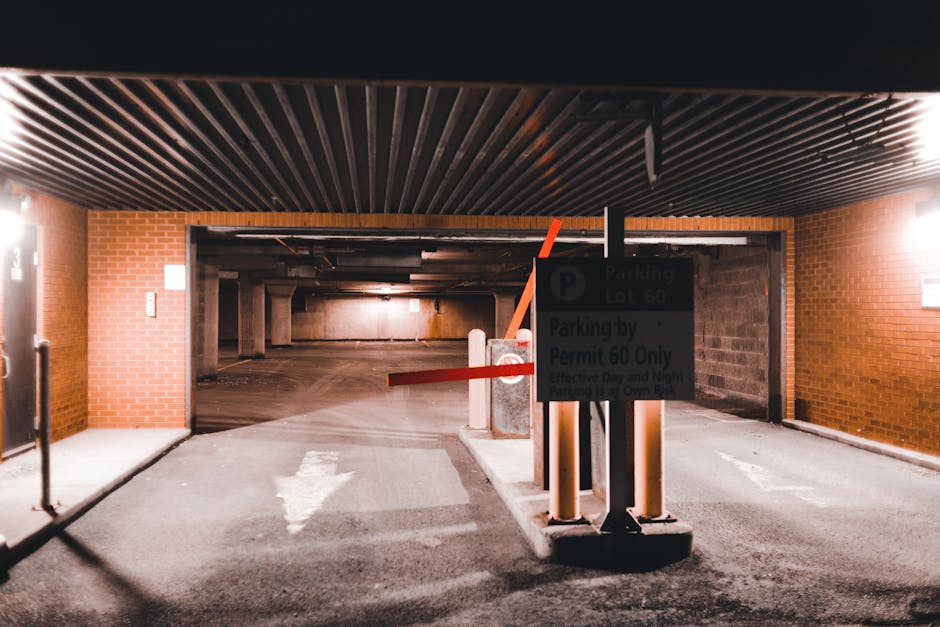
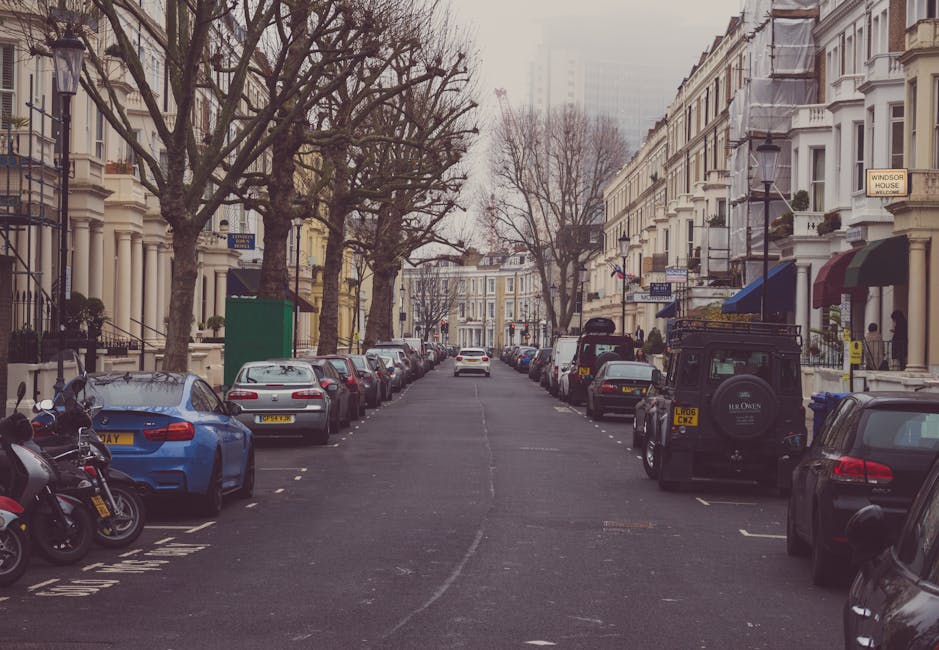
Parking Suspensions & Permits in Hammersmith and Fulham Council
If you are planning a move, a delivery, or a commercial job in west London, parking can become the part that quietly makes or breaks the day. Parking Suspensions & Permits in Hammersmith and Fulham Council are there to keep roads workable, protect access, and help vehicles stop where they need to stop without causing chaos. That sounds straightforward, but in practice it is often the difference between a smooth unload and a van circling the block while everyone gets increasingly cross.
This guide explains what parking suspensions and permits are, how they typically work in Hammersmith and Fulham, who needs them, and how to plan ahead so your collection, delivery, or removal does not stall at the kerb. If you are moving home, relocating an office, or arranging a furniture pick-up, a little preparation goes a long way. To be fair, it saves a lot of last-minute panic too.
Table of Contents
- Why Parking Suspensions & Permits in Hammersmith and Fulham Council Matters
- How Parking Suspensions & Permits in Hammersmith and Fulham Council Works
- Key Benefits and Practical Advantages
- Who This Is For and When It Makes Sense
- Step-by-Step Guidance
- Expert Tips for Better Results
- Common Mistakes to Avoid
- Tools, Resources and Recommendations
- Law, Compliance, Standards, or Best Practice
- Options, Methods, or Comparison Table
- Case Study or Real-World Example
- Practical Checklist
- Conclusion
- Frequently Asked Questions
Why Parking Suspensions & Permits in Hammersmith and Fulham Council Matters
In a borough as busy as Hammersmith and Fulham, curb space is not just space. It is access, timing, safety, and neighbourly goodwill rolled into one narrow strip of road. If you need a vehicle to stop outside a property, you may be dealing with shared bays, resident permit areas, yellow lines, loading restrictions, timed controls, or roadworks nearby. Any one of those can slow you down. Put two or three together and you suddenly have a real problem.
Parking suspensions are usually about reserving or temporarily restricting a bay or part of the road so a specific vehicle or activity can take place. Permits, by contrast, are usually about authorising a vehicle to park or load in certain controlled circumstances. The two are related, but they are not the same thing. And yes, people mix them up all the time.
Why does it matter so much? Because the practical cost of getting it wrong is often bigger than people expect. A van may arrive late. Movers may have to carry items farther than planned. Furniture can get wet in a sudden shower while waiting for access. A delivery crew may block a street longer than they should. Nobody wants that, especially when the day is already noisy, tight and expensive.
There is also the people side of it. When a vehicle stops where it should not, even for ten minutes, it can upset residents, business neighbours, cyclists and pedestrians. Good parking planning reduces that friction. It is one of those small bits of admin that quietly makes everyone's life easier.
Expert takeaway: if your job depends on stopping close to a property, treat parking arrangements as part of the job itself, not as a side task. In busy parts of Hammersmith and Fulham, parking is logistics.
How Parking Suspensions & Permits in Hammersmith and Fulham Council Works
At a practical level, the process usually starts with identifying what kind of parking access you need. Are you loading heavy items? Parking for several hours? Keeping a bay clear for a moving truck? Or do you simply need the right to stop briefly within a controlled zone?
Parking suspensions are typically used when a space needs to be kept free for a specific purpose. That might include removals, building works, utility access, large deliveries, or other short-term needs. Permits are often relevant where parking controls apply and you need an authorised way to occupy space for a defined reason and duration. The exact rules depend on the street, the zone, the timing and the vehicle type, so the details matter. A lot.
In real life, this usually means checking the address, noting the bay type or restrictions, thinking about the size of vehicle you will use, and allowing enough lead time for any application or approval process. If the job is time-sensitive, that lead time matters even more. A same-day attempt can become a messy one, especially if the road is already tightly managed.
For moves and bulky collections, parking planning should sit alongside vehicle choice. A small van may fit where a larger truck will not. A man and van service can sometimes be more suitable where space is tight, while a larger moving truck or removal truck hire arrangement may need a more deliberate parking plan. That is not just a convenience issue; it is about keeping the job legal and efficient.
It is also worth remembering that different parking controls can overlap. You may need to think about daytime restrictions, resident-only bays, loading windows, event-related changes, or short-term suspensions for works. One of the easiest mistakes is assuming that because a street has parking signs, stopping there will be fine. Sometimes it will. Sometimes it very much will not.
Key Benefits and Practical Advantages
Good parking arrangements are not glamorous, but they pay off quickly. The biggest advantage is simple: you save time at the kerb. That alone can make a move feel calmer and less expensive, especially in a dense area where vehicle access is limited.
- Less delay: your vehicle can position closer to the property, which reduces carrying distance and wasted time.
- Fewer access issues: a reserved or properly authorised space means less uncertainty on the day.
- Lower risk of disruption: you are less likely to block traffic, get in the way of neighbours, or trigger complaints.
- Better protection for goods: fewer trips from a distant parking spot usually means fewer knocks, drops and weather-related problems.
- More predictable scheduling: once parking is sorted, the rest of the plan becomes easier to manage.
There is also a subtle benefit people sometimes overlook: confidence. When the parking side is settled, everyone on site tends to work better. The team knows where to go, the driver knows where to stop, and the person coordinating the move is not standing at the window wondering whether the bay will still be free in ten minutes. That calm has real value.
For commercial jobs, the benefits are even clearer. Office equipment, archive boxes, retail stock and IT kit tend to need smoother loading than a typical household clear-out. If you are arranging commercial moves or office relocation services, the parking plan is part of continuity planning, not just admin.
And for residential moves, the same logic applies. If the front door is far from the vehicle, every sofa, wardrobe and box takes longer. That extra distance adds up in real fatigue. By about lunchtime, you will notice it, believe me.
Who This Is For and When It Makes Sense
Parking suspensions and permits are not only for large contractors. They make sense any time your stop depends on controlled roadside space or time-sensitive access. In Hammersmith and Fulham, that can include a surprising number of everyday situations.
You may need to think about parking arrangements if you are:
- moving house or flat
- delivering furniture or appliances
- collecting bulky items for disposal or reuse
- relocating an office or shop
- bringing in a van for trade work, installations, or repairs
- using a larger vehicle that may not fit in a standard bay
- working on a property where access is already tight
If you are arranging a domestic move, the issue often comes down to volume and access. A smaller man with van setup may be enough for a lighter move, whereas a more complex relocation may need home moves support and more careful parking coordination. For heavier items, a planned furniture pick up can save a lot of back-and-forth and reduce the chance of damage.
If you are a business, the stakes can be more operational. Office staff waiting on desks, chairs and equipment do not want a truck parked half a street away while you improvise. That is exactly the point where a parking suspension or the right permit becomes worth it.
There are also the "I only need ten minutes" jobs. Those are the ones that often go sideways, strangely enough. Ten minutes becomes twenty, then forty, then someone is double-parked and muttering into a phone. If you know the job is likely to involve loading, just plan for the parking properly in the first place.
Step-by-Step Guidance
If you want a straightforward way to approach Parking Suspensions & Permits in Hammersmith and Fulham Council, use this practical sequence. It is not fancy, but it works.
- Assess the job carefully. Look at what is being moved, how long it will take, and what type of vehicle will be needed. A few boxes are one thing; a piano, server cabinet or wardrobe is another.
- Check the street conditions. Notice bay markings, loading restrictions, yellow lines, width limits, and whether the front of the property is clear enough for safe access.
- Match the vehicle to the space. A larger lorry may be overkill if the road is narrow. In some cases, a smaller van with a skilled team is the more realistic option.
- Decide whether a suspension or permit is needed. If the space must be kept free, you may need a suspension. If parking is controlled and you need authority to stop, a permit may be the better route.
- Allow enough lead time. Do not leave it until the night before unless you enjoy unnecessary stress.
- Prepare the site and the crew. Make sure the driver, movers and property contact all know where the vehicle should go and what to do if the space is occupied.
- Have a fallback plan. If the first choice bay is unavailable, identify a safe loading alternative nearby.
For a home move, this might mean lining up a bay outside the building, protecting floors, and scheduling the lift access if applicable. For business work, it may mean informing building management, checking office access times, and coordinating with any reception or facilities team.
A small but useful habit: take photos of the bay, the entrance and any signs before the day, especially if restrictions are confusing. It is a low-effort way to reduce arguments later. Not glamorous, but practical.
If your move is more complex, pairing the parking plan with packing and unpacking services can make the whole day feel less frantic. You are not just moving stuff. You are managing a sequence.
Expert Tips for Better Results
Here are the kinds of tips that usually save the most trouble, based on the realities of working in busy London streets rather than the neat version in people's heads.
- Book around the street, not just the building. A beautiful flat is no help if the vehicle cannot get within a sensible carrying distance.
- Use the right size vehicle. Bigger is not always better. In tight streets, a smaller truck can outperform a larger one simply because it can actually stop where needed.
- Think about the weather. A short carry in dry conditions is manageable. The same carry in drizzle, with cardboard and soft furnishings, is less fun.
- Build in arrival flexibility. Traffic, school runs and roadworks can all knock a schedule off course. A little buffer goes a long way.
- Confirm who is responsible. Make it clear whether the mover, building manager, landlord or tenant is handling parking arrangements. Silence here causes silly problems.
Another practical point: if the job involves a lot of heavy lifting, do not underestimate the value of parking close to the entrance. People often focus on the permit or suspension itself and forget the carrying route. That route is where backs get strained, corners get scuffed, and time disappears.
And yes, if you are juggling multiple moving parts, things can get a little messy. That is normal. The trick is to make the parking one of the few things that does not go messy.
Common Mistakes to Avoid
Most parking problems are avoidable, which is frustrating in a way, because they often happen for very ordinary reasons. Here are the most common ones.
- Assuming the space will be available. A bay can look free in the morning and be gone by midday.
- Leaving it too late. If you only think about parking on the day, your choices shrink fast.
- Choosing the wrong vehicle. A van that is too large can create access problems even if the paperwork is fine.
- Ignoring nearby restrictions. Loading rights, resident zones and time-limited controls can all affect the plan.
- Not telling everyone the plan. If the driver and site contact have different ideas, the morning gets awkward.
- Forgetting about permits for contractors or commercial work. Business jobs often need more coordination than homeowners expect.
One of the easiest traps is thinking, "We only need a quick stop." That phrase has caused more headaches than it should. Quick stops tend to become longer than planned the minute a lift is slow, the sofa is wider than expected, or the building has one awkward doorway from the 1980s that seems designed purely to test patience.
Another mistake is not checking whether a moving truck can be positioned safely. If the only available spot is too far away, the whole job becomes slower and less controlled. Sometimes the smartest choice is to use a smaller vehicle, split the move, or adjust timing rather than forcing a poor fit.
Tools, Resources and Recommendations
You do not need a drawer full of specialist kit to handle parking well, but a few tools and simple habits make things smoother.
- Street photos: useful for sharing access conditions with movers or drivers.
- A written job plan: includes arrival time, vehicle size, access notes and contact details.
- Floor protection and door guards: especially important where the carry distance is longer than expected.
- Measuring tape: helpful for checking whether furniture or equipment can safely pass through the route.
- Checklist notes on your phone: simple, but surprisingly effective when there are lots of moving pieces.
For customers planning a move or collection, it can also help to choose a provider that understands parking pressure in west London rather than someone who only thinks in terms of motorway miles. A local team is more likely to understand tight streets, time slots, and the realities of controlled parking.
If you need a small, flexible moving setup, a man and van can be ideal for lighter loads and tighter access. If the move is larger or needs more structured handling, a dedicated house removalists team may be a better fit. For more specialised work, commercial moves and office relocation services often benefit from a more formal access plan.
If you want to learn more about the company behind these services, the about us page is a sensible place to start, and if you need to speak to someone about an upcoming job, use the contact us page. We also recommend reading the terms and conditions and privacy policy so expectations are clear from the outset.
Law, Compliance, Standards, or Best Practice
Parking arrangements in a borough like Hammersmith and Fulham are not just a courtesy issue; they sit within wider rules about road use, safety and public access. The exact council process, eligibility criteria and approval timings can change, so you should always confirm the current local requirements before assuming anything. That is the honest answer, and probably the most useful one.
Best practice is to treat parking, loading and street access as part of the job specification. That means:
- checking restrictions before the vehicle is booked
- using suitable vehicle sizes for the street layout
- allowing enough time for any approvals or changes
- avoiding obstruction of other road users
- keeping clear records of what was arranged and when
Where a suspension or permit is required, the main compliance risk is not usually a dramatic one. It is the ordinary, preventable kind: stopping in the wrong place, over-running a time limit, or assuming loading is allowed where it is not. Those mistakes can cause delays and possibly penalties, depending on the circumstances. So the cautious approach is the sensible one.
For commercial operators, compliance also means thinking about staff safety and manual handling. Parking too far from the entrance can increase carrying distances and strain. In other words, good parking is often good health-and-safety practice too. Quietly useful, that.
Options, Methods, or Comparison Table
Not every job needs the same solution. Here is a simple comparison to help you decide what type of access planning is most likely to fit your situation.
| Option | Best for | Strengths | Watch-outs |
|---|---|---|---|
| Parking suspension | Keeping a bay or stretch of road free for a planned job | Best when you need dependable access close to the property | Requires planning and may not suit last-minute work |
| Parking permit | Controlled parking where authorised stopping is needed | Useful where parking rules already exist and access must be compliant | May not solve every access problem if the vehicle is too large |
| Smaller vehicle strategy | Narrow streets, light-to-medium loads, quick collections | Often easier to position and less disruptive | May require multiple trips if the load is substantial |
| Full moving truck setup | Larger house moves, bulkier commercial relocations | Good for volume and efficiency when access is workable | Needs careful parking and route planning |
In practice, the best option often depends on three questions: how much is being moved, how long the vehicle needs to stay, and how awkward the street is. If the answer to all three is "quite a lot," you probably need a more formal parking arrangement.
Case Study or Real-World Example
Here is a realistic example. A flat move in Hammersmith involved a family with two bedrooms' worth of furniture, several boxes, and a narrow street with limited stopping space. At first glance, it looked like a simple morning job. But the property was on a road where parking could fill quickly, and the furniture included a bulky wardrobe that would have taken time to carry.
The team started by checking the access route, then matched the vehicle size to the street rather than just to the load. A smaller van was chosen instead of a larger truck, because the tighter vehicle gave a better chance of stopping close to the entrance. The packing was done the day before, the move list was kept simple, and the driver had a clear load-in point. Nothing dramatic. Just sensible planning.
The result was a smoother day with fewer trips, less lifting distance, and no last-minute scramble for a space. The family still had the usual moving-day fatigue, of course. Nobody gets around that entirely. But there was no added stress from parking, which honestly is half the battle.
That is the real lesson here: the parking decision should be made alongside the move plan, not afterwards. A well-planned access setup can save hours, reduce stress, and make a busy street feel much less hostile.
Practical Checklist
Use this checklist before your move, delivery or collection day. It is simple, but it catches a lot of issues.
- Confirm the full address and exact frontage
- Check the parking restrictions on the road
- Decide whether a suspension or permit is likely to be needed
- Choose the right vehicle size for the street
- Allow enough time for approvals or setup
- Make sure the driver knows the loading point
- Tell the building contact or household who is responsible for access
- Protect floors, corners and door frames
- Prepare a backup plan if the intended space is occupied
- Keep a phone handy for day-of coordination
Quick summary: if access is tight, plan early; if the vehicle is large, check the space twice; if the job is important, do not rely on luck. Simple enough, but it saves headaches.
Get a free quote today and see how much you can save.
Conclusion
Parking Suspensions & Permits in Hammersmith and Fulham Council are about much more than paperwork. They shape whether your move, delivery or collection runs smoothly, whether the vehicle can stop safely, and whether the day feels controlled or chaotic. Once you understand the difference between a suspension and a permit, the rest becomes much easier to plan.
The best results usually come from simple habits: check the road, choose the right vehicle, allow enough time, and keep communication clear. Whether you are arranging a home move, a commercial relocation, or a single bulky furniture pick-up, parking is one of those small decisions that has a big impact. Get that part right, and the whole job tends to breathe a little easier.
And if the day still feels busy, that is fine. Busy is manageable. Unplanned is the problem.
Frequently Asked Questions
What are parking suspensions in Hammersmith and Fulham Council?
Parking suspensions are temporary restrictions that keep a parking space or part of the road clear for a specific purpose. They are commonly used for removals, deliveries, works or access needs where a vehicle must stop close to a property.
What is the difference between a parking suspension and a permit?
A suspension usually means a space is temporarily reserved or taken out of normal use. A permit is generally permission to park or stop in a controlled area under certain conditions. They solve related but different access problems.
Do I need a permit for a house move in Hammersmith and Fulham?
It depends on the street, the parking restrictions and the vehicle you are using. If the road is controlled or space is limited, a permit or suspension may be needed. It is best to check early rather than assume the vehicle can simply stop outside.
How far in advance should I arrange parking for a move?
As early as you can. For time-sensitive removals, waiting until the last minute can limit your options and create unnecessary pressure. A bit of lead time gives you more flexibility with the vehicle and the schedule.
Can a smaller van avoid the need for parking arrangements?
Sometimes a smaller van can make access easier, but it does not automatically remove parking restrictions. Even a compact vehicle still needs to stop legally and safely. The road rules still matter.
What happens if the parking bay is already occupied on the day?
If there is no fallback plan, the move can be delayed while the driver looks for alternative space. That is why it helps to prepare backup options and clear instructions before the day begins.
Are parking suspensions useful for office relocations?
Yes, very often. Office moves usually involve equipment, furniture and timing pressure, so reliable roadside access can make the difference between a controlled relocation and a very awkward morning.
Do furniture collections need parking permissions too?
They can, especially if the item is large, the road is busy, or the stop needs to happen close to the entrance. A short furniture pick-up can still become complicated if the van cannot park safely.
How do I choose the right vehicle for a narrow London street?
Think about the street width, turning space, height restrictions and how long the vehicle will need to stay in place. In many cases, a smaller vehicle is easier to manage than a larger truck, even if it means a slightly different loading plan.
Is it worth using a professional removal team for parking-heavy jobs?
Usually yes, because experienced teams tend to plan access more carefully and understand how to work around tight streets. That does not remove the need for parking planning, but it often reduces the chance of avoidable mistakes.
What should I prepare before requesting parking help for a move?
Have the full address, moving date, likely vehicle size, type of load, and any notes about the street or building access. If you can share photos or a simple description of the frontage, that helps a lot too.
Where can I find more information about your moving services?
You can review the available services such as home moves, commercial moves, man and van, and removal truck hire to see which option fits your job best.